[2026 Updated] How to Spray 100 Silicone Roof Coating: The Ultimate Contractor Guide
Professional roofing contractors prefer heavy-duty sprayers for their versatility, durability, and superior performance when spraying 100 silicone roof coating. Moisture ingress into the building causes poor performance and premature failure, so properly sealing the structure against moisture is of utmost importance. Finding the perfect combination of durability and versatility in a product that’s also easy to use is every contractor’s dream, but it can be difficult to find without the right the coating equipment.
What Makes 100 Silicone Roof Coating a “Machine Killer”?
The coating materials feature an ultra-high viscosity (100% Solids Content) that weighs heavily on equipment. These systems are designed to be used with elastomeric roof coatings, silicone roof coatings, and other heavy materials in the industry. These materials feature rapid moisture-curing properties and perform extremely well in hot or cold climates to meet commercial roof coating standards.
Challenges can arise when performing this application if dispenses are not consistent or cycle time is slow, resulting in mechanical friction overload. If a standard electric sprayer is not properly suited for the job, quality issues and equipment failures can result, often leading to budget overruns, schedule delays and unhappy customers. When it comes to spraying these materials, there are a few considerations to keep in mind depending on your specific needs.
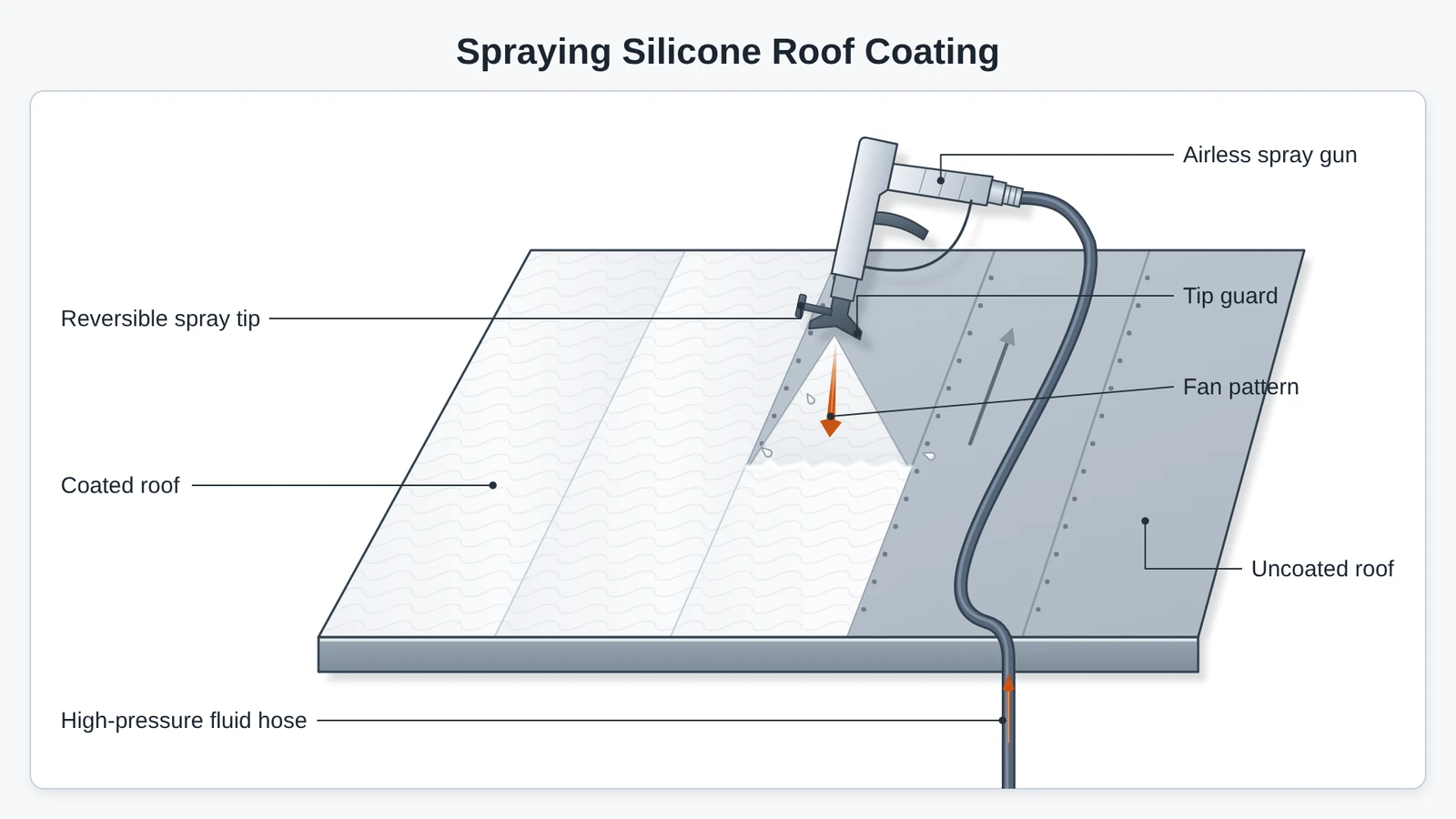
Core FAQ: Can You Use a Standard Roof Sealer Spray Machine?
The heavy-duty equipment adds enhanced features that provide contractors optimal line production capability with a Heavy-Duty 15.0 L/min Flow Rate. A standard 2.0 L/min sprayer cannot deliver the high flow and up to 9000 PSI that roofing and protective coatings—silicone, epoxy, vapor barriers, and intumescent coatings—demand. These blockages, often called Pressure Drops, occur when the liquid separates under extreme stress.
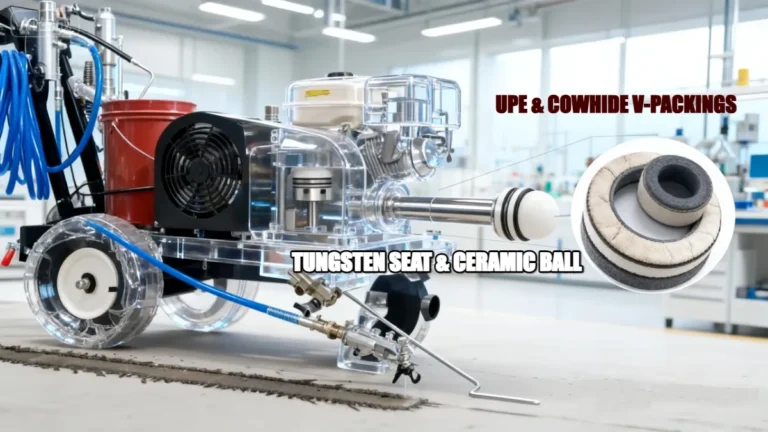
Instead of dealing with standard equipment burnout, workers can rely on Heavy-Duty UPE & Leather V-Packings to handle the pumping on an ongoing basis and focus on applying the coatings. As commercial roofs keep expensive material safe and protect against rainwater, contractors look for a solution that is more sustainable over a long period of time with fewer maintenance costs. Learn how to coat an entire commercial roof and transform your space the quick and easy way using a heavy-duty sprayer.
|
Feature |
Standard Electric Sprayer |
GUTUBAO Hydraulic Heavy-Duty Sprayer (GTB-970/833 Series) |
|---|---|---|
|
Max Flow Rate |
<3.0 L/min |
7.5 – 60.0 L/min |
|
Max Tip Size |
<0.025″ |
0.055″ – 0.065″ |
|
Pump Mechanism |
Standard Piston |
Hydraulic Direct-Immersion with Imported Hard Alloy |
|
Wear Parts |
Standard Seals |
Heavy-Duty UPE & Leather V-Packings |
|
Viscosity Tolerance |
Low-Medium |
Ultra-High / 100% Solid Epoxies & Silicone |
The Mechanical Reality: How to Spray Silicone Roof Coating Efficiently
As the name implies, a Hydraulic Direct-Immersion pump is used to power the driver that provides the force to fully pressurize the thick coatings. Significantly faster than manual rolling or squeegee applications, this is the ideal solution for delivering pulse-free pressure stability up to 6000 PSI – 9000 PSI. The result: Consistent high-quality finishes from connecting rods dual-hole-bored to ±0.01mm tolerance for minimal friction wear… applied with speed and precision.
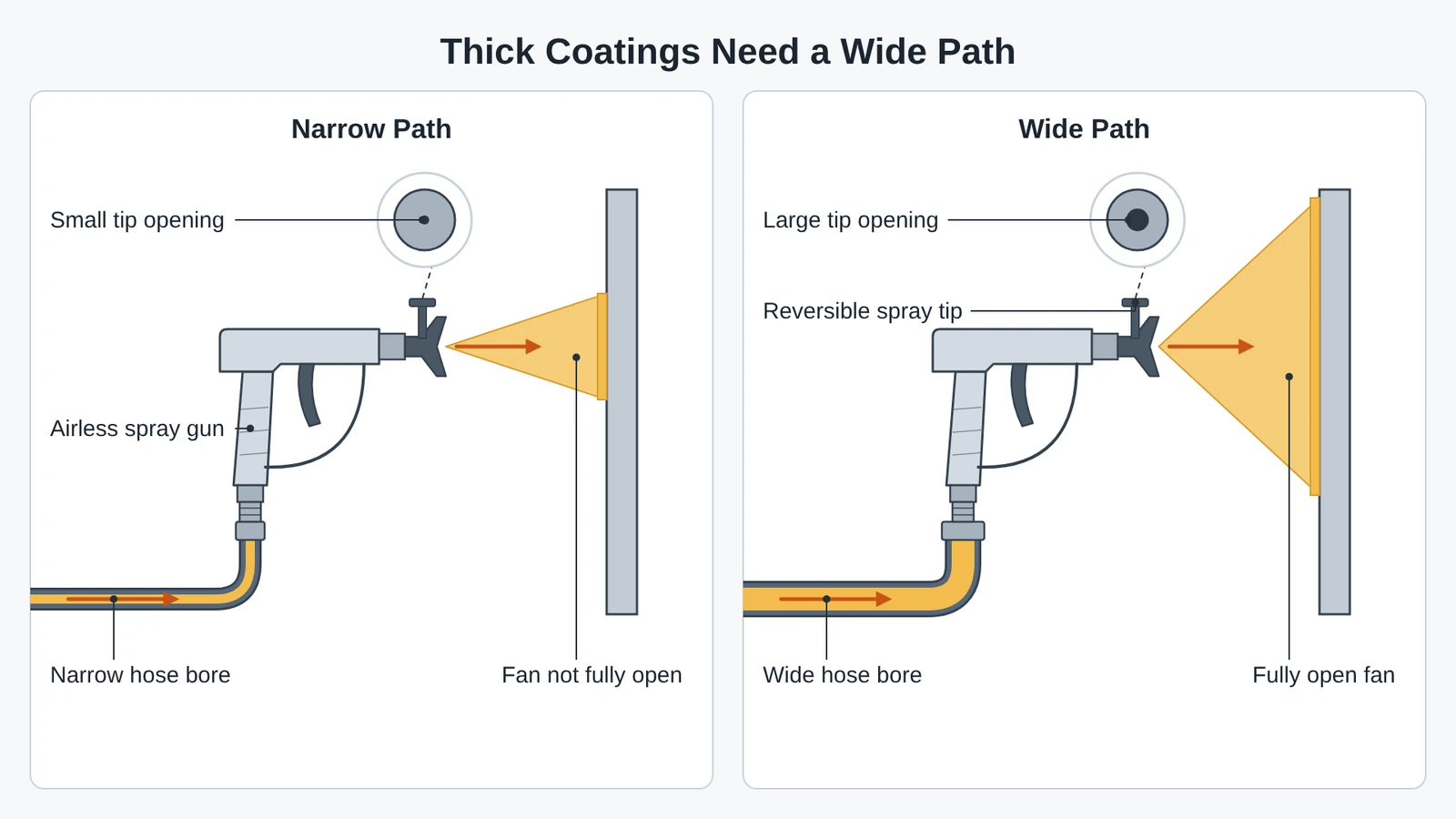
Consistent and clean dispenses are necessary during the spraying process to maintain efficiency and optimize coating utilization. Historically, contractors had to turn to manual solutions when they required maximum performance. Hydraulic direct-immersion spraying improves overall finish quality.
Jobsite Prep & Surface Readiness for High Viscosity Roof Coatings
Visible deposits of oil, grease and dirt must be spot cleaned prior to silicone roof coating. The surface should be clean, dry, and free of debris or contaminants that could hinder a strong bond to the substrate. Ponding water will also inhibit bonding and should be spot-removed.
As with any coating job, success depends on excellent surface preparation across seams and screws. Follow along to learn how to drain the roof and properly store your high viscosity coatings. Silicone sits at the opposite end from architectural latex — unlike how to thin latex paint for clean atomization, silicone is sprayed at full body and never thinned. As a contractor, having the roof in your hands from the substrate to the finished product produces a higher quality roof, as you are able to control the prep work to your distinct specifications.
Selecting the Exact Spray Tip for Maximum GPM
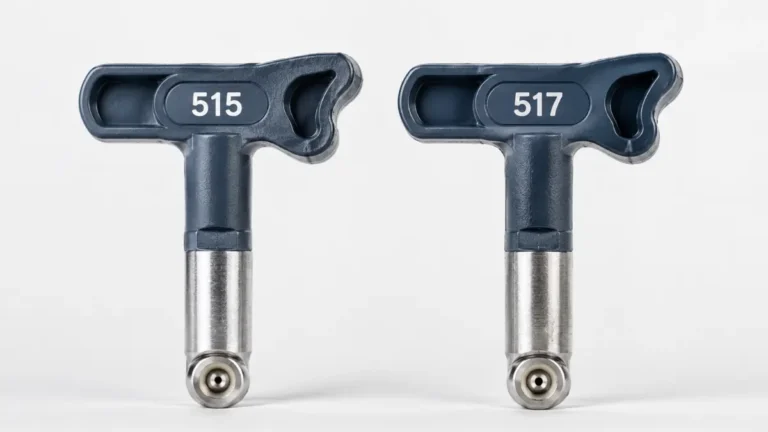
A key component of a heavy-duty sprayer is the tip, which handles high GPM output requirements. Choosing the right large tip sizes (0.031″ – 0.055″, up to 0.065″ for extreme viscosity) will help determine the quality of your finish, and can save you money and time by using less material and finishing jobs faster. For hydraulic sprayers, there are many tip options, with differing fan patterns and orifice sizes for ultra-thick materials.
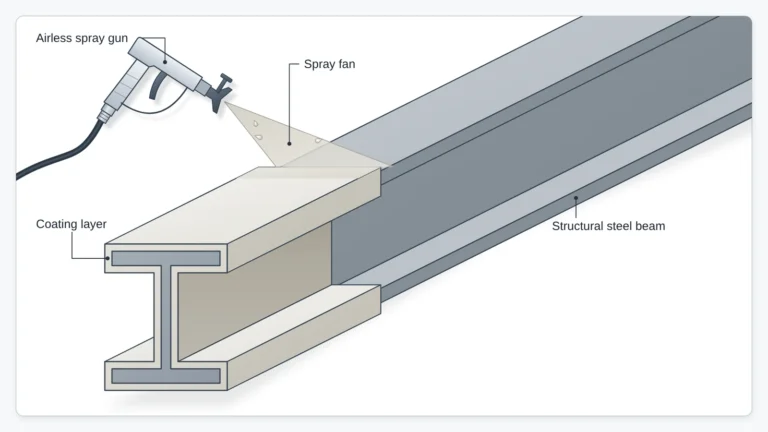
Oversized passages inside the tip minimize pressure drops for high velocity flow. Because of their large size there are rarely problems with the tips becoming blocked. The key to silicone roof coatings spraying is providing enough fluid pressure at the gun to atomize the material into a pattern that provides consistent coverage.
Avoiding the Deadliest Anti-Patterns in Silicone Spraying
When a standard pump is holding pressure across the seat, there will be silicone particles trapped between the components. With high viscosity materials, significant equipment damage can occur when immediate solvent flush protocols are ignored at the end of the day. Heavy-Duty UPE & Leather V-Packings ensure ultimate durability with silicone materials.
The challenge in material application is maintaining proper control over cleaning parameters to ensure the prevention of leakage. When immediate flushes are skipped, businesses are frequently forced to invest in an expensive setup involving multiple replacement pumps. Utilizing proper packings contributes to the overall look and quality of the roof seal, so it is essential to avoid a quick or messy clean-up.
Maximize Uptime: Dominate with GUTUBAO Heavy-Duty Hydraulic Sprayers
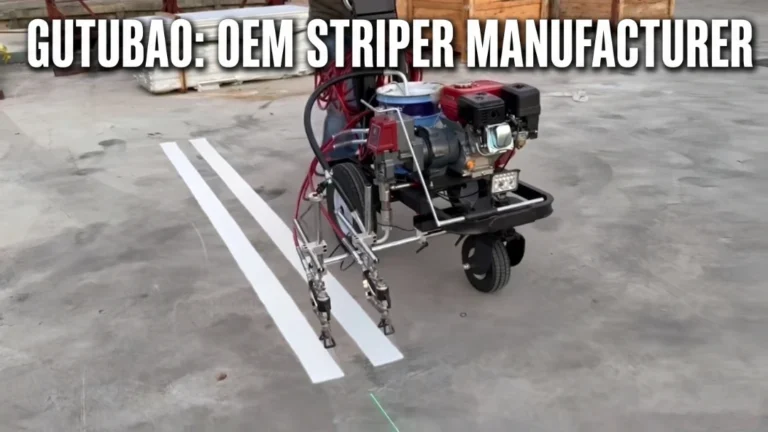
With unbeatable performance from GUTUBAO Heavy-Duty Hydraulic Sprayers comes unparalleled ROI. When you upgrade to the GTB-970 Series (offering models up to 6000 PSI or 15.0 L/min ), you’ll find that these hydraulic airless paint sprayers provide excellent return on investment by reducing downtime. Tackle the toughest coatings with the GTB-833 Series, delivering pressures up to 9000 PSI or flow rates up to 60.0 L/min via 13HP Gas/8500W Electric power.
All GUTUBAO units are CE-certified under the Machinery Directive 2006/42/EC (EN ISO 12100:2010) and verified with Carl Zeiss CMM precision measurement to withstand even the harshest environments. While it’s tempting to simply pick the lowest price machine and hope for the best, downtime is money, and these hidden costs can quickly offset a lower sticker price. In each of these industry applications, understanding the difference between a Piston Pump vs Diaphragm Pump [2026 Updated] offers unique advantages by providing versatility, lower maintenance costs and the ability to handle a wider range of fluids.