Fluid Processing & Techniques: Tip Selection, Thinning, and Application by Coating
Fluid Processing & Techniques covers what happens between the bucket and the surface: which tip to run, when and how to thin, and how the method changes with the coating and the job.
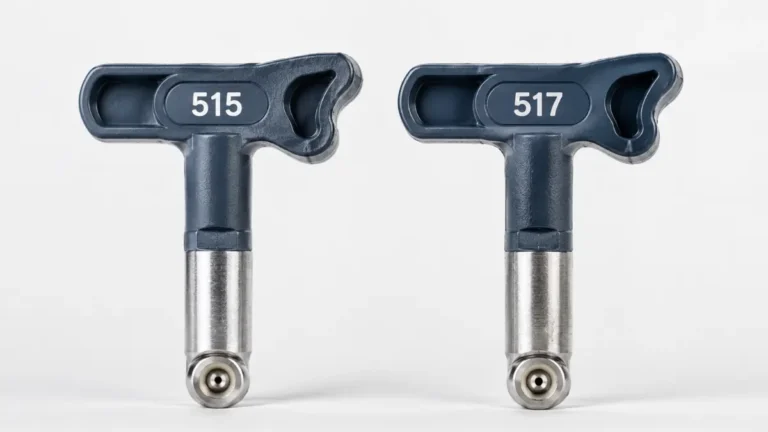
- Tip Selection: Airless spray tip size charts, 515 vs 517, and tip choices for oil-based paint and cabinet finishing.
- Thinning and Viscosity: Thinning latex paint for an airless sprayer, and handling high-solids and silicone roof coatings.
- Application by Job Type: Deck staining, drywall finishing, stucco, fireproofing, athletic field marking, and road striping.
Looking for the equipment? Browse our hydraulic airless paint sprayers.
-

Paint Sprayer for Oil Based Paint: Coating List, Tip Sizes, and Solvent Discipline
By GUTUBAO Technical Team • 2026-08-29A paint sprayer for oil based paint has to cover alkyd enamels and topcoats, oil-based primers and wood sealers, oil-based and penetrating wood stains, lacquers… -
515 vs 517 Spray Tip: A Viscosity, Flow, and Gun-Speed Decision Matrix
By GUTUBAO Technical Team • 2026-07-09The 515 vs 517 spray tip decision comes down to a single variable: orifice size. Both tips cut a fan roughly 10 inches wide at… -
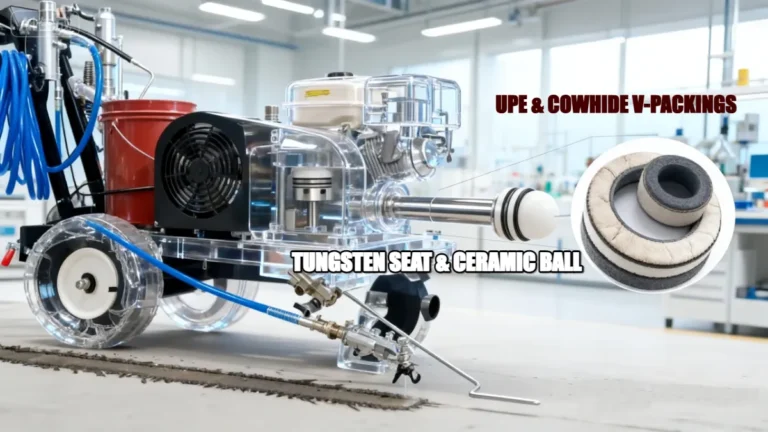
Athletic Field Paint Sprayer: 12.0 L/min & OEM CNC Precision
By GUTUBAO Technical Team • 2026-06-05An athletic field paint sprayer must overcome extreme fluid viscosity and abrasive suspended particles inherent in turf paint. Standard units suffer from Pressure Pulsation, resulting… -
The Ultimate Guide to Industrial Stucco Sprayer Machine Selection & Heavy-Duty Engineering
By GUTUBAO Technical Team • 2026-05-24A professional stucco sprayer machine must handle extreme high-viscosity and highly abrasive fluids like elastomeric paint and concrete texture. To prevent seal failure, premium equipment… -
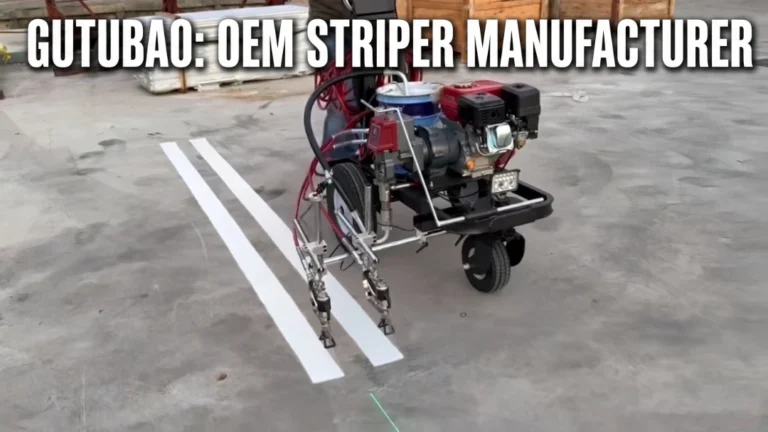
How to Fix Fuzzy Edges: The Ultimate Heavy-Duty Airless Striping Machine Guide for Road & Airport Markings
By GUTUBAO Technical Team • 2026-05-22An industrial airless striping machine is a heavy-duty system designed for applying highly viscous waterborne paint on airport runways, municipal roads, and commercial parking lots…. -
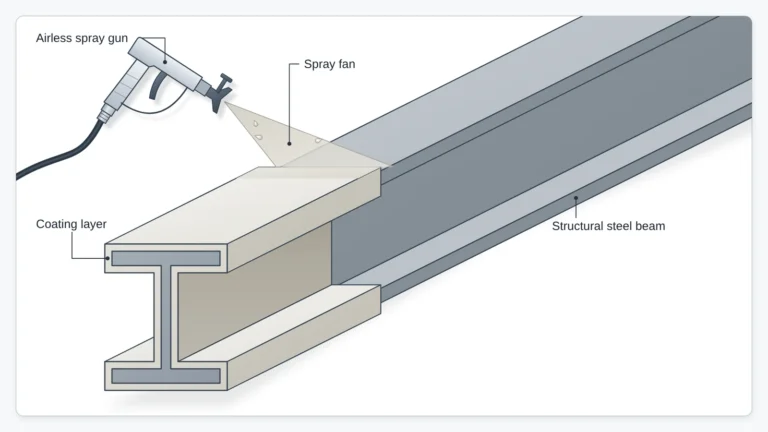
The Ultimate Guide to Sizing Fireproofing Spray Equipment for High Solids
By GUTUBAO Technical Team • 2026-05-20When sizing fireproofing spray equipment for high solids and heavy-duty applications, contractors must prioritize three critical physical parameters to overcome the immense shear force of… -
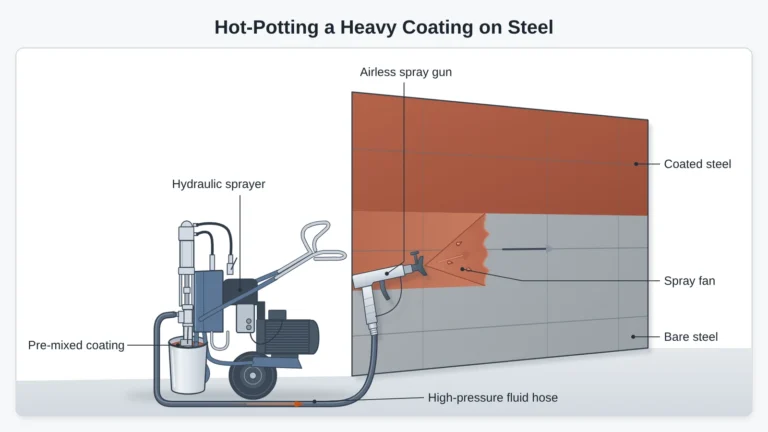
Hot-Potting vs. Plural Component Spray Equipment: The Ultimate Guide for Heavy Epoxies
By GUTUBAO Technical Team • 2026-04-24Understanding the complex dynamics of plural component spray equipment is absolutely critical for heavy industrial contractors dealing with 100% solids, fast-curing polyurea, and heavy epoxies…. -
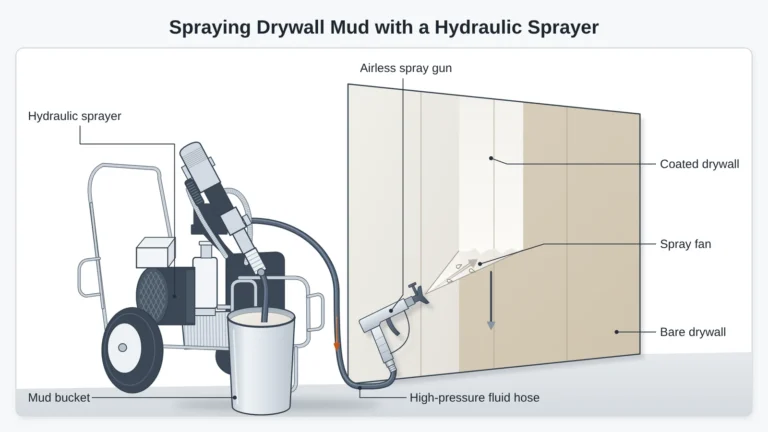
[2026 Updated] Pro Tools for Drywall Finish: A Guide for Industrial Contractors
By GUTUBAO Technical Team • 2026-04-22The High Cost of Manual Troweling in a Level 4 Drywall Finish Choosing the right tools for a drywall finish starts here: it takes skill… -
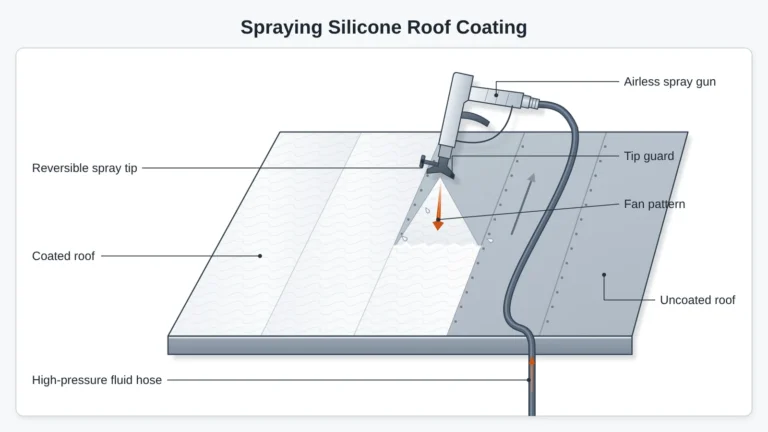
[2026 Updated] How to Spray 100 Silicone Roof Coating: The Ultimate Contractor Guide
By GUTUBAO Technical Team • 2026-04-20Professional roofing contractors prefer heavy-duty sprayers for their versatility, durability, and superior performance when spraying 100 silicone roof coating. Moisture ingress into the building causes…