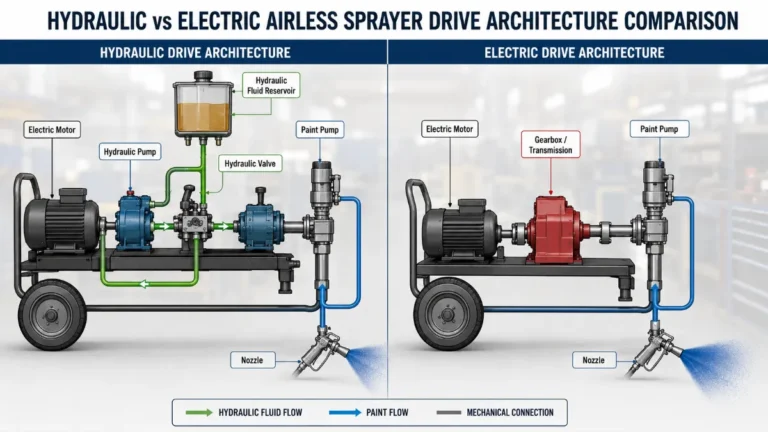
Airless Paint Sprayer vs HVLP: The Ultimate Showdown
There is a wide range of applicator technology to choose from when evaluating an airless paint sprayer vs hvlp. By applying paint in an even, consistent manner, airless spraying allows you to achieve professional results faster and easier than using a brush or roller. Knowing what influences transfer efficiency is important to enable the most efficient automated spray paint solution.
Understanding the HVLP Spray Gun vs Airless Mechanism
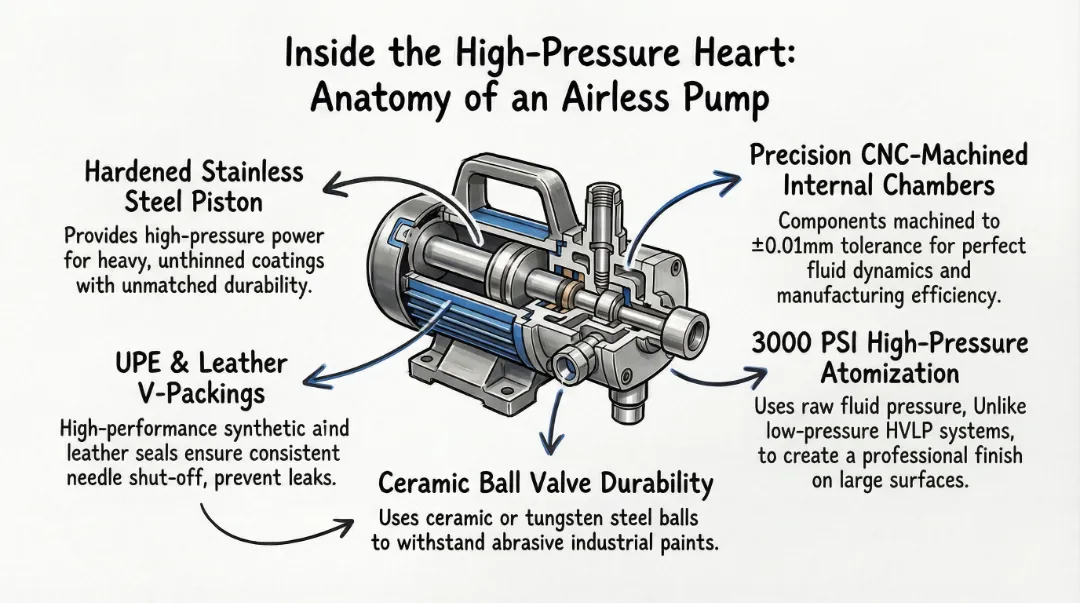
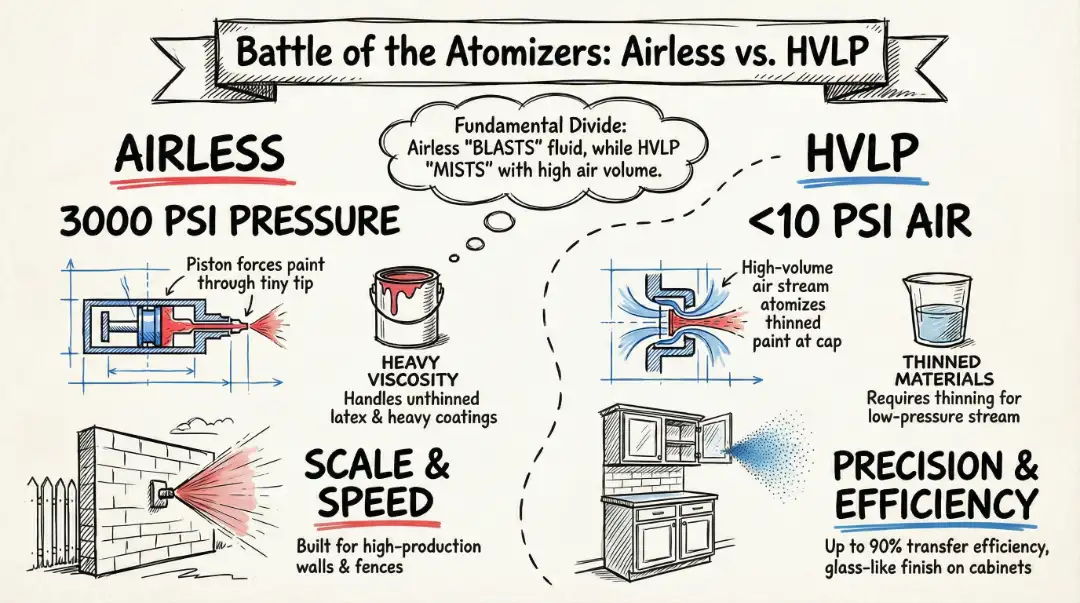
HVLP uses a low-pressure fluid stream that is mixed with compressed air at the aircap to atomize material in a controlled manner. The key to airless spraying is providing 3000 PSI high-pressure fluid delivery at the gun to atomize the material into a pattern that provides consistent coverage. Before spraying, understand how the primary components of an airless paint sprayer work together with fluid dynamics in spray atomization to create a perfect finish with unmatched performance. A Hardened Stainless Steel piston delivers high pressure power to spray unthinned paints.
When looking at an Airless Paint Sprayer vs HVLP, airless spray atomization is created by hydraulic force pushing material through an orifice. As the fluid exits the orifice, friction between the fluid stream and atmosphere disrupts the stream into small particles. Conversely, with an HVLP sprayer, a turbine delivers a large volume of air at a much lower pressure to atomize and spray the fluid. In fact, the unit must be 10 PSI or less at the air cap to qualify as HVLP.
When spraying either system, it is recommended to use the lowest fluid pressure at which atomization occurs. Spraying at lower pressure creates less overspray and makes equipment and tips last longer, saving you money on materials while still delivering a professional finish.
Performance Comparison: HVLP Paint Sprayer vs Airless
Compared to conventional spraying, evaluating an airless paint sprayer vs hvlp produces differences in transfer efficiency, environmental impact, and manufacturing costs. HVLP is built to deliver a smooth, even professional finish on small to medium jobs requiring extreme control. When thinning latex paint for airless sprayer, the bottom line is to mix the material correctly and thin until the desired consistency is reached.
|
Dimension |
Airless Sprayer |
HVLP Sprayer |
|---|---|---|
|
Atomization Method |
Fluid pressure at 3000 PSI |
Air pressure at <10 PSI |
|
Viscosity Tolerance |
High/Unthinned |
Low/Thinned |
|
Transfer Efficiency |
Medium |
High up to 90% |
|
Best Application |
Large scale/Walls |
Fine finish/Trim |
Choosing the Right Tool for Your Project
The first things to consider are how you’ll use your rig and what you’ll be spraying. Fine finish jobs demand precise application techniques to deliver the smooth, glass-like finish on cabinets, millwork and other surfaces. You need the ability to match application requirements to find the best airless sprayer for cabinets. Airless sprayers are ideal for applications like new construction and high production with large surfaces.
Coating type also plays a key role in selecting spray equipment. The pressure required to atomize the material often determines the appropriate pump. With some systems, material is delivered to the gun at lower pressure than traditional spraying. Higher pressure professional units allow pumping more viscous materials and optimizing pressures for less viscous materials.
Depending on the desired finish quality, transfer efficiency, and speed of application, it helps to understand the advantages and differences when evaluating an Airless Paint Sprayer vs HVLP. Painting contractors encounter many types of applications during the course of new construction and remodeling jobs. For fine finishing jobs that use enamel or lacquer materials, contractors typically lean towards HVLP sprayers due to the increased control and finish quality.
Why Source Your Airless Sprayer from a Direct Manufacturer?
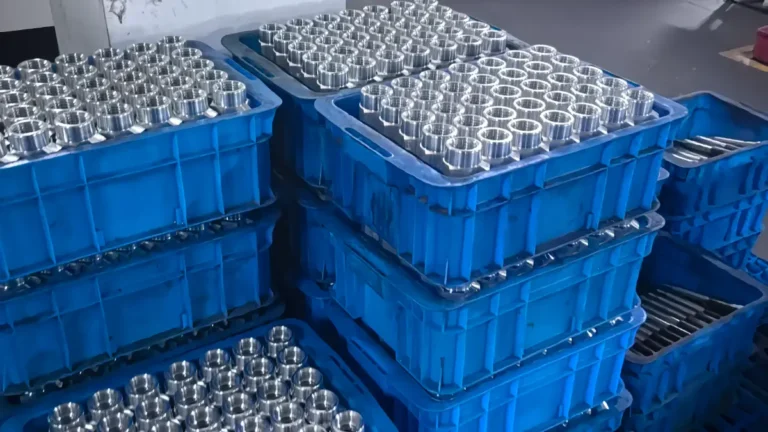
When you’re looking at new equipment, have you ever felt like the initial cost is too high? Sourcing this rig directly provides a 1000W DC Motor and 1.8 – 2.0 L/min Flow with 3000 PSI output and a Max Tip 0.019″ for greater reliability and long life. A Hardened Stainless Steel piston and ceramic ball valves deliver the longest durability & life. Heavy-Duty UPE & cowhide V-Packings ensure reliable sealing and long packing life. Being CNC-machined to ±0.01mm tolerance on Japan Brother/USA Haas provides tangible manufacturing efficiencies. Our Two-Stage 100% Full Inspection and 30-min continuous high-pressure load test provides peace of mind on any job.